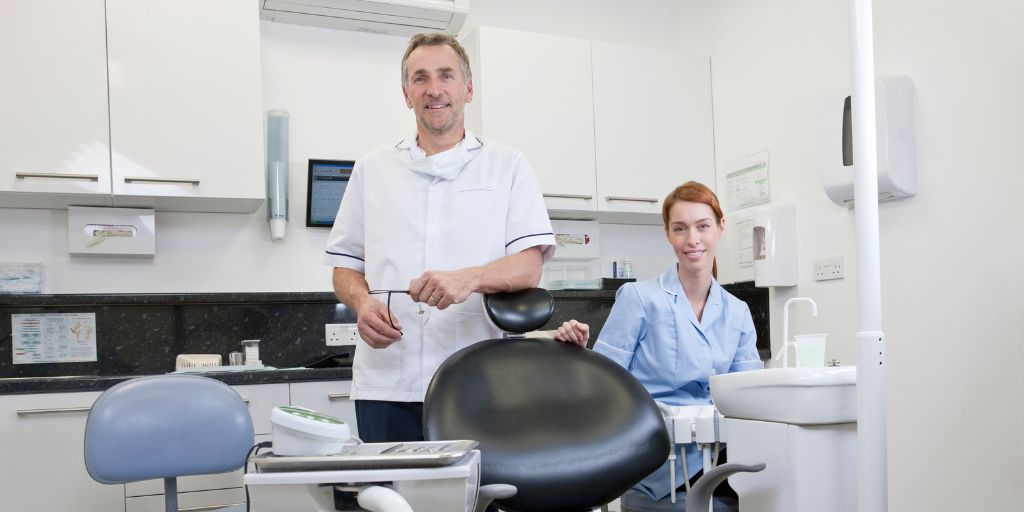
I spent years assuming dentistry was one of those professions that would stay relatively unchanged. You know the drill: patient sits in chair, dentist examines teeth, maybe fills a cavity, sends you home with a new toothbrush.
But after recently visiting a dental practice that felt more like a Silicon Valley startup than a clinic, I realized I had been completely wrong.
The dental industry is undergoing a massive technological transformation, and it is creating ripple effects that extend far beyond just how cavities get filled.
For anyone considering a career in healthcare or already working in the field, understanding these shifts could be the key to making smarter professional decisions.
The Digital Tools Changing Everything
Walking into that modern dental office, I was immediately struck by the absence of those uncomfortable bite-wing X-ray holders I remembered from childhood.
Instead, the hygienist used an intraoral scanner that created a 3D digital map of my entire mouth in minutes. No goop, no gagging, no waiting for films to develop.
This is just the tip of the iceberg. AI-powered diagnostic tools are now helping dentists detect early signs of decay, oral cancers, and gum disease that human eyes might miss.
Cloud-based practice management systems have streamlined everything from appointment scheduling to insurance claims. And 3D printing technology has made same-day crowns and custom dental appliances a reality.
For dental professionals, this means the job looks dramatically different than it did even a decade ago.
Why This Matters for Healthcare Careers
Here is something that surprised me when I started digging into this topic: the integration of technology in dentistry is not replacing jobs. It is actually creating new ones while making existing roles more interesting and, in many cases, more lucrative.
Dental practices now need team members who can operate sophisticated imaging equipment, manage digital workflows, and troubleshoot software systems. The traditional dental team is expanding to include roles that barely existed five years ago.
Meanwhile, dentists themselves are finding that embracing technology allows them to see more patients, deliver better outcomes, and build more sustainable practices. This has interesting implications when you look at the financial side of the profession.
When researching compensation trends in healthcare, I came across some fascinating data about dentist salary figures and how they vary based on specialization, location, and the types of services offered.
Practices that have invested heavily in technology often report higher revenue per patient visit, which can translate to better compensation for everyone on the team.
But money is only part of the equation. What struck me most was how technology is reducing the physical toll of dental work. Anyone who has spoken with an experienced dentist knows that years of hunching over patients can wreak havoc on the neck, back, and shoulders.
Digital tools and improved ergonomic equipment are helping extend careers and reduce burnout.
The Patient Experience Gets an Upgrade Too
I will be honest: I used to dread dental visits. The anxiety was real, and I know I am not alone in that. But technology is addressing this problem from multiple angles in ways I find genuinely impressive.
Virtual reality headsets are now being used to distract and calm anxious patients during procedures. Laser dentistry has made many treatments faster and less painful.
Digital communication tools allow patients to ask questions and receive guidance without needing to schedule an in-person visit.
For healthcare professionals considering where to build their careers, these patient experience improvements matter. Practices that prioritize patient comfort tend to build stronger reputations, attract more clients, and create more positive work environments for staff.
What Skills Will Matter Most Going Forward
If you are thinking about entering the dental field or looking to advance within it, here is what I have gathered from conversations with industry insiders and my own research.
Technical literacy is becoming non-negotiable. You do not need to be a software engineer, but comfort with digital systems and a willingness to learn new tools will set you apart. Practices are increasingly looking for team members who can adapt quickly when new technology gets introduced.
Communication skills remain essential, perhaps even more so now. As diagnosis becomes more data-driven, the ability to translate complex information into language patients can understand grows increasingly valuable.
Technology handles the technical work, but humans still need to build trust and provide emotional support.
Continuous learning is the new baseline expectation. The tools and techniques used in dentistry five years from now will look different than what exists today. Professionals who embrace ongoing education will thrive, while those who resist change may find themselves struggling to keep up.
The Bigger Picture for Healthcare
What is happening in dentistry reflects broader trends across the entire healthcare sector. Digital transformation is reshaping how care gets delivered, how professionals do their jobs, and how patients experience treatment.
I find this genuinely exciting. Yes, change can be uncomfortable, and there are legitimate concerns about data privacy, the cost of new equipment, and ensuring technology enhances rather than replaces human connection.
But the trajectory seems clear: technology is making healthcare more effective, efficient, and accessible.
For anyone making career decisions right now, paying attention to these shifts is smart strategy. The healthcare roles that will be most valuable in the coming years are likely those that combine human skills like empathy, communication, and critical thinking with comfort navigating digital tools and systems.
Final Thoughts
That recent dental visit I mentioned at the start? It completely changed how I think about the profession. What I saw was not just fancy equipment, but a glimpse into how technology and healthcare can work together to create better experiences for everyone involved.
Whether you are considering a career in dentistry, already working in the field, or simply curious about where healthcare is heading, the message is the same: technology is not something to fear.
It is something to understand, embrace, and use as a tool for building a more fulfilling professional path.
The practices and professionals who figure this out first will be the ones setting the standard for years to come. And honestly, as someone who used to white-knuckle their way through dental appointments, I am grateful that people are putting in the work to make things better.