Aide Health has published a new report warning that healthcare systems cannot meet rising demand through clinic appointments alone and calling for patient self-management to become the foundation of scalable care.
The report argues that chronic disease is driving the majority of healthcare pressure, while many services remain built around episodic, provider-led models that rely on finite clinical time.
With workforces shrinking and costs rising, Aide Health says self-management is now the only realistic path to sustainability, particularly as evidence shows over 80% of long-term condition care already takes place outside the clinic.
The report draws on NHS workforce projections, published research and implementation data from Aide Health’s NHS programmes.
It highlights a widening gap between what health systems are expected to deliver and the workforce available to provide it. NHS projections estimate a shortfall of 260,000–360,000 staff by 2036/37, while the US is expected to face a physician shortage of up to 187,000 by 2037.
“Healthcare cannot scale through appointments alone,” said Ian Wharton, Founder and CEO of Aide Health, and co-author of the report. “What determines outcomes is what happens between clinic visits. Self-management is already where most long-term condition care happens, but it still isn’t treated as the core strategy. If we want sustainable healthcare, we must design around patients as active partners in their own care.”
The report also highlights medication adherence as a major and persistent gap, with around half of patients not taking medicines as prescribed, contributing to avoidable deterioration, complications and preventable hospital use.
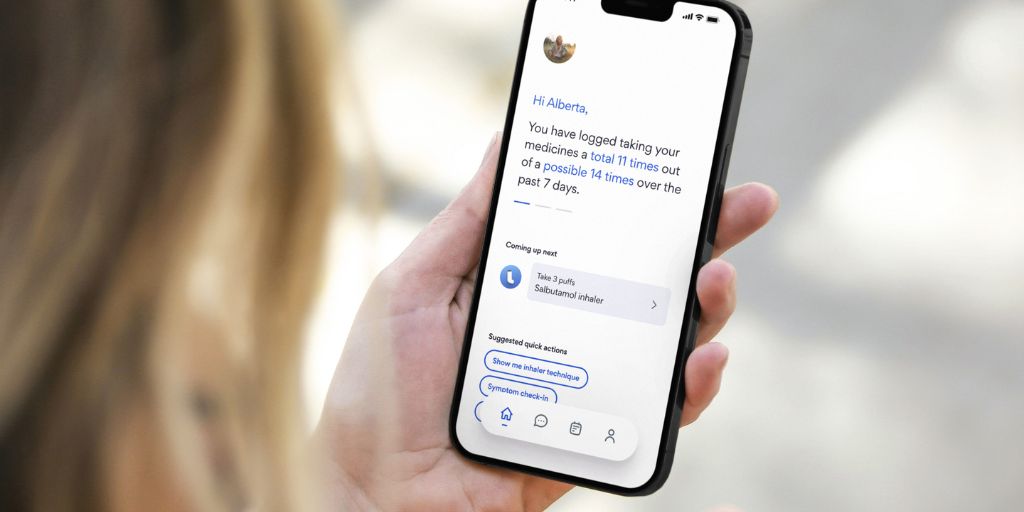
Real-world implementation data included in the report shows digital self-management support delivered through the Aide app achieved strong engagement and measurable outcomes in NHS primary care, including:
- 72% patient retention after 30 days (around 20x the sector average)
- Improved adherence outcomes, with 73% medication adherence reported in an asthma cohort
- Identification of significant unmet need, including 50% of patients lacking an asthma action plan
Aide Health said digitally enabled self-management can support better outcomes while helping release pressured clinical time, enabling clinicians to focus on complex cases, while patients receive ongoing support beyond appointments.
Alongside the report, Aide Health is developing patient-first technologies designed to improve understanding and follow-through after consultations.
One example is Mirror, described as the UK’s first AI-powered “medical memory” designed entirely for patients. The app discreetly listens during consultations and generates a plain-English summary patients can revisit at any time, helping reduce confusion and support better self-management.
Research suggests up to 80% of medical advice is forgotten immediately, and nearly half of what is remembered is inaccurate, confusion estimated to cost the NHS £1 billion per year.