Retainers play a crucial role in orthodontic treatment, ensuring that teeth remain in their new positions after braces are removed. As orthodontic care evolves, understanding the significance of retainers is essential for maintaining long-term dental health. Their use underscores the importance of post-treatment care in achieving lasting results.
Retainers are often recommended in preserving the results of orthodontic treatment. Once braces are removed, teeth have a natural tendency to shift back to their original positions. Retainers help stabilize the teeth, allowing the surrounding bone and tissues to adjust to the new alignment. This process helps support long-term stability for maintaining the improvements achieved during orthodontic treatment. Retainers come in various forms, including fixed and removable options, each serving the purpose of maintaining dental alignment effectively. If any issues arise, consulting an orthodontist in Clawson can provide guidance on proper retainer care.
Types of retainers and their functions
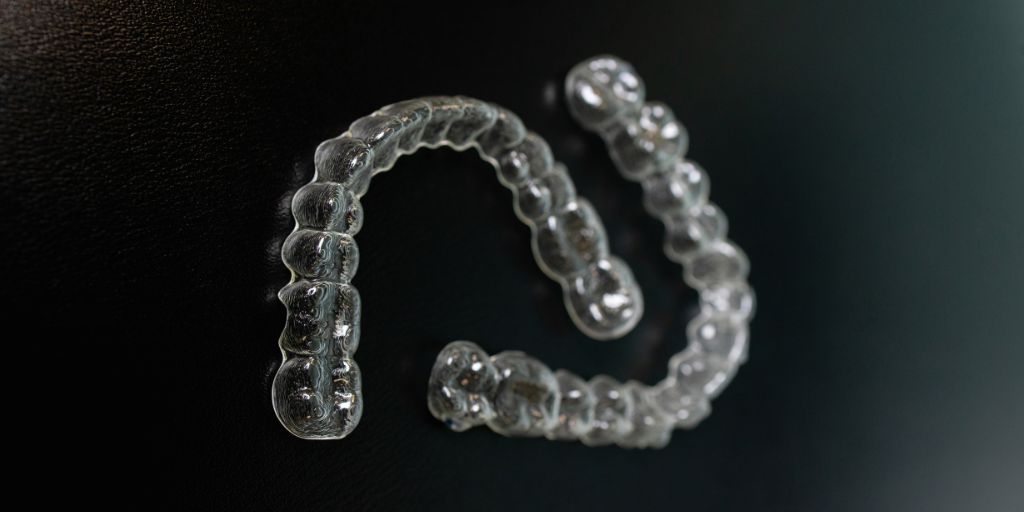
There are primarily two types of retainers used in orthodontic care: fixed and removable. Fixed retainers consist of a thin wire bonded to the back of the teeth, providing constant support to prevent shifting. These are particularly beneficial for patients who may struggle with compliance in wearing removable retainers consistently. On the other hand, removable retainers, such as Hawley and clear aligner-style retainers, offer flexibility and ease of cleaning.
Each type of retainer has its advantages. Fixed retainers are discreet and require minimal maintenance, making them a convenient choice for many patients. Removable retainers, however, allow for easier oral hygiene practices and can be taken out during meals or special occasions. The choice between fixed and removable retainers often depends on the patient’s lifestyle and specific orthodontic needs, highlighting the personalized nature of orthodontic care.
Maintaining and caring for retainers
Proper maintenance of retainers is essential to ensure their effectiveness and longevity. For removable retainers, regular cleaning with a soft toothbrush and non-abrasive toothpaste is recommended to prevent plaque buildup and odors. It’s important to store them in a protective case when not in use to avoid damage. Fixed retainers require diligent oral hygiene practices, including regular flossing and dental check-ups, to prevent plaque accumulation around the bonded wire.
Moreover, understanding what to do if a retainer breaks is crucial for maintaining orthodontic results. In such cases, consulting an orthodontist promptly can prevent unwanted tooth movement. Timely repairs or replacements are vital to continue the stabilization process. By adhering to these care guidelines, patients can ensure that their retainers effectively support their orthodontic outcomes for years to come.
Challenges and considerations in retainer use
While retainers are indispensable in orthodontic treatment, they come with challenges that patients must consider. Compliance is a significant factor, especially with removable retainers, as forgetting to wear them can lead to relapse of tooth alignment. Educating patients on the importance of consistent retainer use is crucial for successful long-term results.
Additionally, some patients may experience discomfort or speech difficulties when adjusting to new retainers. These issues typically resolve over time as patients become accustomed to wearing them. Regular follow-up appointments with an orthodontist can help address any concerns and ensure that the retainers are functioning as intended. By understanding these challenges, patients can better navigate the post-treatment phase of orthodontic care.