
Preventive healthcare is shifting from reactive treatment to proactive management—and at-home diagnostics are playing a key role in that transformation. With growing demand for accessible, convenient health insights, individuals are increasingly turning to home testing to better understand their bodies and take earlier action where needed.
Providers such as Randox Health are helping to bring laboratory-grade testing into the home, offering a range of diagnostic kits designed to support everyday health monitoring without the need for clinic visits.
A More Proactive Approach to Health
Many common conditions, including cardiovascular disease, hormone imbalances, and metabolic disorders, can develop gradually and without obvious symptoms. Preventive health focuses on identifying potential risks early—before they progress into more serious concerns.
At-home testing enables individuals to establish a baseline across key health markers and monitor changes over time. This approach supports more informed lifestyle decisions, from diet and exercise to seeking further medical advice where appropriate.
Simple, Accessible Testing
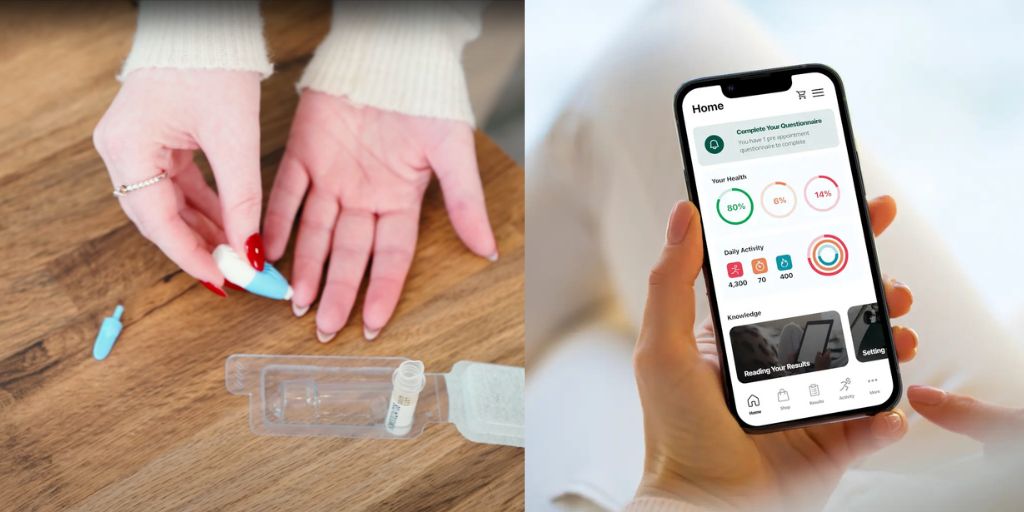
Modern home testing kits are designed with ease of use in mind. Typically, users order a kit online, collect a small sample at home—often via a finger-prick blood test or advanced collection device—and return it to a certified laboratory. Results are then delivered digitally, often within a matter of days, in a clear and accessible format.
Some tests now measure multiple biomarkers from a single sample, providing a broader overview of areas such as heart health, vitamin levels, liver and kidney function, and hormone balance. This allows for a more comprehensive picture of overall wellbeing.
Supporting Everyday Health Decisions
At-home diagnostics can support preventive health in several practical ways:
- Baseline health checks: Understanding your current health status across multiple indicators
- Early risk identification: Highlighting markers linked to conditions such as high cholesterol or diabetes
- Lifestyle optimisation: Informing changes to nutrition, exercise, and daily habits
- Ongoing monitoring: Tracking improvements or changes over time
For example, general health tests can assess biomarkers linked to heart health, diabetes risk, and essential nutrients, helping individuals stay informed and take action where needed. Similarly, more targeted tests—such as those focused on hormone health or food sensitivities—can provide additional insights into specific concerns like fatigue, digestion, or energy levels.
Convenience Without Compromise
One of the key advantages of at-home testing is convenience. Without the need for appointments or referrals, individuals can engage with their health on their own schedule. This accessibility is particularly valuable for those with busy lifestyles or limited access to healthcare services.
Importantly, results are typically presented in a clear, easy-to-understand format, helping users quickly identify areas that may require attention.
A Complement to Professional Care
While at-home diagnostics offer valuable insights, they are best used as part of a wider healthcare approach. Test results should not replace professional medical advice but can act as a starting point for more informed conversations with qualified healthcare providers.
The Future of Preventive Health
As diagnostic technology continues to evolve, at-home testing is set to become an integral part of preventive healthcare. By combining clinical expertise with user-friendly design, companies like Randox Health are helping to make proactive health management more accessible, empowering individuals to take greater control of their wellbeing.
Disclaimer: This article is for informational purposes only and does not constitute medical advice. Always consult a qualified healthcare professional before making decisions based on diagnostic results.