
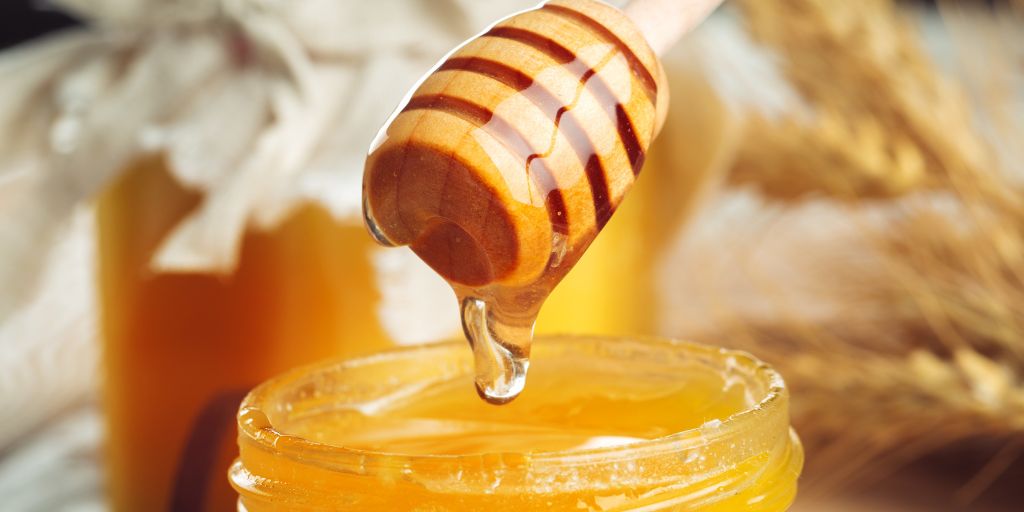
Honey, a natural sweetener with numerous health benefits, comes in various types, each with unique characteristics. This article delves into the world of honey, exploring common varieties and highlighting what makes manuka honey stand out.
Honey has been cherished for its sweetness and potential health benefits for centuries. Among the many types available, each offers distinct flavors and nutritional profiles. Understanding these differences can help you select the right honey for your needs.
Common Honey Varieties and Their Nutritional Profiles
Several honey varieties are popular worldwide, each with its own flavor and health benefits. Clover honey, for instance, is light and mild, making it a favorite for general use. It is rich in antioxidants and has antibacterial properties. Wildflower honey, derived from various flowers, offers a more robust flavor and diverse nutritional profile, depending on the specific flowers visited by the bees.
Acacia honey is known for its delicate floral taste and high fructose content, which keeps it liquid longer. It is often praised for its calming effects and digestive benefits. When comparing raw vs. processed honey, raw honey retains more nutrients and enzymes, as it is unheated and unpasteurized. Processed honey undergoes pasteurization, which can reduce its nutritional value but may increase shelf life. In particular, raw manuka honey stands out for retaining more beneficial enzymes. If you examine manuka honey vs raw honey from other floral sources, the difference in MGO and nutritional content becomes evident.
What Makes Manuka Honey Unique?
Manuka honey, originating from New Zealand, stands out due to its high methylglyoxal (MGO) content, which gives it potent antibacterial properties. This honey is thicker in texture and darker in color compared to other types. Its unique composition makes it a popular choice for wound care and digestive health. Whether you want to learn what is manuka honey at its core, scientific research validates its distinctive properties. Many also consider it the best manuka honey available, thanks to its exceptional antibacterial strength.
Traditionally, manuka honey has been used for its medicinal properties, including treating sore throats, improving digestion, and promoting skin health. Its efficacy in these areas has been supported by scientific research, making it a sought-after product for health-conscious consumers. This speaks to manuka honey health benefits that continue to draw significant interest from holistic practitioners.
The production of manuka honey is intrinsically linked to the manuka bush (Leptospermum scoparium), which blooms for only a few weeks each year, making this honey relatively rare and precious. The bees must collect nectar specifically from these blossoms during this limited window, contributing to the honey’s exclusivity and higher price point.
Beyond MGO, manuka honey contains dihydroxyacetone (DHA), which naturally converts to MGO over time, and various phenolic compounds that work synergistically to enhance its therapeutic properties. Research has shown that manuka honey exhibits effectiveness against antibiotic-resistant bacteria, making it particularly valuable in modern healthcare settings where traditional antibiotics may prove less effective.
Choosing High-Quality Manuka Honey
When selecting manuka honey, look for products with a UMF (Unique Manuka Factor) rating, which indicates the honey’s potency and purity. A higher UMF rating signifies greater antibacterial activity. It’s crucial to choose reputable brands that adhere to strict quality standards to ensure you’re getting genuine manuka honey. Some consumers regard these high UMF ratings as a hallmark of the best manuka honey, ensuring maximum antibacterial and nutritional potency.
Many people prefer manuka honey for its health benefits and versatility in wellness routines. Its ability to support immune health and promote healing makes it a valuable addition to any diet. In fact, raw manuka honey is often integrated into recipes such as smoothies or teas to retain its active enzymes. By choosing high-quality manuka honey, you can enjoy these benefits while supporting sustainable and ethical honey production practices.
Wrapping Up
In summary, understanding the different types of honey and their unique properties can help you make informed choices. By comparing manuka honey vs raw honey from other natural sources, you may find manuka’s elevated MGO contributes to greater therapeutic potential.
Whether you’re drawn to the distinctive qualities of manuka honey or the mild sweetness of clover honey, there’s a variety to suit every preference. Embrace the natural goodness of honey and discover the benefits it can bring to your health and well-being.
ADVERTORIAL