
- Sports cars are out – body scans are in, as Britain’s mid-life generation takes health into its own hands
-
Brits aged 30-59 now account for more than half (56%) of all private diagnostic scans in the UK, driven by chronic pain, unresolved symptoms and a growing shift towards preventative healthcare
-
NHS capacity is struggling to keep up with rising clinical demand, highlighting structural bottlenecks and the need for modern diagnostic pathways
London –March, 2026 – Britain’s adults, aged between 30 and 59 years old, are increasingly taking charge of their health, according to new data from Scan.com, the tech-enabled diagnostics platform powering the entire imaging pathway.
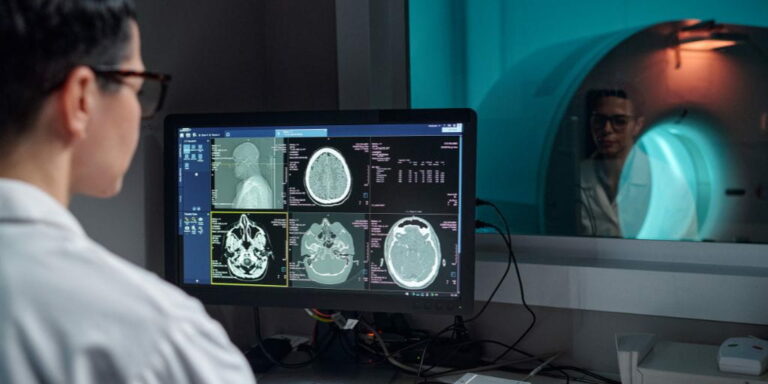
Analysis of over 12,000 UK patients and 50,000 scans shows how this age group is now driving private diagnostic demand across nearly every scan type, including MRI and CT to DEXA and full-body screening.
Nearly 2 million patients are currently waiting for tests on the NHS – and with one in five facing delays of six weeks or more – midlife adults are increasingly taking control of their health.
Those aged 30-59 now represent 56% of all scan activity, marking this life stage as the key window for preventative diagnostics and proactive health monitoring. Since 2022 to the end of 2025, there has been a six fold increase in demand for scans among this age group.
Almost one in two scans related to chronic pain or musculoskeletal problems, highlighting how health concerns – not lifestyle checks – are fueling the surge. For later stage millennials and Gen X-ers, chronic pain in joints and muscles such as hips, knees, and shoulders is the primary reason for up to 60% of scan requests, with back pain the second most common reason.
Private diagnostics are speeding up patient care, with the majority of scans requested by clinicians. 25% of scans were completed within just 7 days of referral, and 75% were completed within 19 days. Following imaging, 20-30% of patients are subsequently referred to specialists, helping ensure timely intervention.
“It is clear that private diagnostic demand is being driven by unmet clinical need. This isn’t about luxury healthcare – it’s about pragmatism,” says Dr. Lizzie Tuckey, clinician and Managing Director UK at Scan.com with over 13 years experience in healthcare systems.
“Britain’s mid-life generation is juggling peak working years, ageing bodies, and increased cancer risk. Private pathways are not creating demand – they are delivering care where demand is highest, absorbing clinical overflow to speed up diagnoses, support earlier intervention, and reduce pressure on the NHS.”
The research also revealed a notable gender shift in people seeking scans. Among people under 40, men account for 59% of scans. From 40 onwards, this trend reverses, with women making up 56% of scan requests. The average mammogram age of a private patient is 47 – three years below the NHS screening threshold – with 61% of bookings coming from women in their forties who aren’t yet eligible for routine NHS checks, reflecting the increasing focus on preventative health among women as they enter middle age.
Despite receiving a significant £2.3 billion Government investment to expand diagnostics in recent years, the NHS is still struggling to meet demand. Legacy IT systems, fragmented referral pathways, and outdated infrastructure are limiting throughput, slowing reporting, and preventing capacity from being used as efficiently as it could be.
“Without meaningful system change – particularly the integration of pathways that expand diagnostic capacity – the NHS will continue to miss its targets,” Dr Lizzie added. “Modernising how diagnostics are delivered is essential. Extra funding alone will never clear the backlog.”