To build a setup with such precision, a process and certain choices must be involved. A high-quality environment and tools provide researchers with accurate data. In this article, we examine some of the key factors to consider when establishing such a space.
Understanding the Purpose
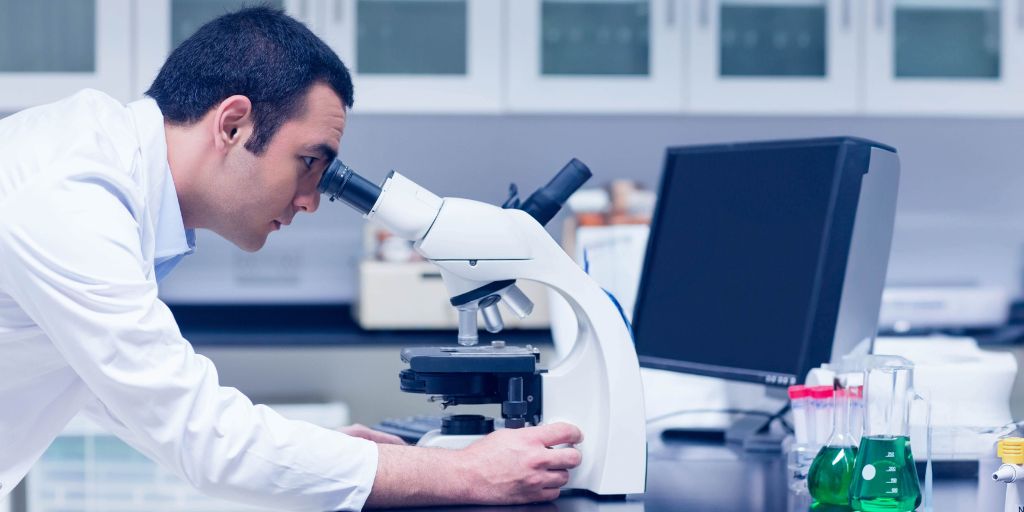
Before selecting any equipment or research supplies for labs, ensure that you understand the research that needs to be conducted. Various domains require specific tools, along with the right atmosphere. A chemistry lab might require high-precision measuring equipment, and a biology lab a sophisticated microscope. Knowing its purpose can give a clear context for the setup to complement a set of research requirements.
Quality of Equipment
Often, the quality of research findings depends on the quality of the instrument, as the findings may not be reliable if the instrument is of poor quality. The fewer mistakes you make, the more reliable the instruments will be. Industry professionals are available for consultation and reviews about the best available products.
Calibration and Maintenance
For accuracy, it is essential to perform regular calibration and maintenance of the equipment. Calibration confirms that the tools are measuring accurately. You’ll want to schedule a routine maintenance plan. This not only extends the longevity of equipment but also ensures peak performance every time. Record maintenance tasks of each tool to check on their status.
Environmental Control
The research depends heavily on the environment in which it is performed. Temperature, humidity, and cleanliness can all affect results. You need to install systems to control these factors. Air filtration systems help reduce contamination, while climate-control devices maintain perfect conditions. This can help produce uniform data if you ensure that the environment is stable.
Safety Considerations
Researchers need to make sure that their research settings are safe. The safety gear and protocols not only protect the researchers but also the integrity of the data. Safety equipment includes fire extinguishers, first-aid kits, and emergency exits. Training researchers on how to conduct themselves safely is also a vital means of accident prevention.
Budget Management
Limited budgets may result in the use of less optimal equipment and facilities. It is reasonable to start with the necessary tools and expand later as money allows. If allocations are limited, prioritize the basics first. The long-term rewards of investing in quality gear can inform budget choices.
Training and Support
After all, not even the most sophisticated gear is useful without training. Training sessions offered to researchers in the early phases of implementation ensure they know how to utilize the tools effectively. This is another area where manufacturers can offer significant assistance. With instant accessibility to tech help and resources, an issue can be solved in no time, keeping the pace of the research work steady.
Data Management
Handling data correctly is a crucial part of research. It becomes critical to have systems to collect, store, and analyze data. Data management tools protect sensitive information safely and efficiently. These must be secure and easily accessible to authorized users. Backups and updates help prevent data loss.
Collaboration and Communication
Encouraging collaboration makes research better. Promoting communication between researchers can lead to new ideas and improved outcomes. Creating shared spaces for discussion and brainstorming supports this interaction. Likewise, collaboration tools and sharing on digital platforms can facilitate effective communication.
Adaptability and Future-Proofing
Future-proofing the research environment means having the skills and knowledge to implement the latest tools and methodologies as technology evolves, which is advantageous. Planning spaces that allow for flexibility enables changes to be implemented quickly and easily. New features can be implemented with minimal disruption.
Key Takeaways
Many components must be carefully considered when equipping a research environment designed for high accuracy. Every factor, whether it is the purpose of the research or ensuring the safety and reliability of the experiment, is important. With an emphasis on your ability to maintain control of the equipment and the surrounding environment, as well as the ability to manage the resulting data, all in a manner that allows responses to be re-evaluated as often as needed, researchers can build a laboratory in which to achieve accurate and reproducible results. Maintaining a reasonable budget while providing the necessary tools and establishing a collaborative environment will facilitate further research.