
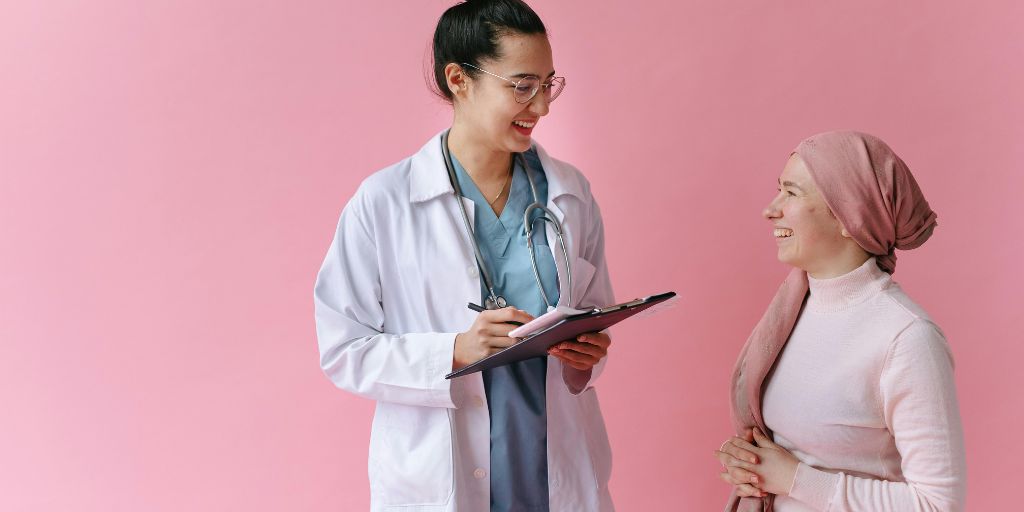
 Hair loss is one of the most visible side effects of treatment, and chemotherapy hair loss in women can be especially distressing because it affects identity, privacy and self-confidence. You might be preparing for treatment and wondering what will happen, or you may already be noticing changes and wondering if they’re normal.
Let’s walk through what really happens, what you can expect and how many women cope with hair loss during and after chemotherapy.
Why chemotherapy causes hair loss
Chemotherapy drugs are designed to target fast-growing cancer cells. Unfortunately, hair follicle cells also grow quickly. That is why many chemo treatments affect your hair, eyebrows and eyelashes as well.
It usually begins one to three weeks after treatment starts. You might notice extra hair on your pillow or in the shower. For many women, that moment can feel overwhelming. It’s okay if it does.
What hair loss can look like and feel like
Hair loss is not always sudden. Sometimes it starts with tenderness or tingling on your scalp. Your hair may feel sore before it begins to shed.
You might lose hair evenly, or in patches. Scalp sensitivity is common, especially when brushing or washing. Some women choose to cut their hair short early on because it feels more manageable and gives them a sense of control.
Can you prevent or reduce hair loss?
Scalp cooling caps are sometimes used during chemotherapy to reduce hair loss. They work by lowering scalp temperature, which limits how much medication reaches hair follicles.
- According to the American Cancer Society, scalp cooling may help some women keep more of their hair during chemotherapy by reducing how much medication reaches the hair follicles. Results vary depending on the type of chemotherapy and the individual, and hair loss can still occur. Scalp cooling can also feel quite cold or uncomfortable, and it is not recommended for everyone or for all types of cancer. Your oncology team can help you decide if scalp cooling is an option worth exploring.
Emotional impact matters too
Hair is closely tied to identity, femininity and privacy. Losing it can feel like losing part of yourself, or like your illness is suddenly visible to the world. You might feel sadness, anger or anxiety. You might also feel guilty for caring about hair when you’re fighting cancer. All of those feelings are valid.
Many women find it helpful to talk openly with loved ones or join support groups. Others prefer practical steps, like planning head coverings or hair replacements in advance, so they feel prepared.
Wigs, scarves and private hair replacement
Many women explore non-surgical hair replacement after chemotherapy because it offers a comfortable, private way to restore confidence without medical procedures. If you decide to wear a wig, know that modern options are far more natural and comfortable than many people expect. Some women choose synthetic wigs for ease, while others prefer human hair for styling flexibility.
Privacy can be especially important during this process. Boston-area women recovering from cancer treatment often work with specialized studios such as PK Walsh that focus on compassionate, private hair replacement solutions. These studios understand this is not just about appearance, but dignity and emotional comfort. You are not required to “look strong” for anyone else. You deserve options that help you feel like yourself.
What happens after chemotherapy ends?
While the experience is different for everyone, hair loss after chemotherapy for women is usually temporary, with regrowth beginning within months after treatment ends. The timeline can vary and patience is key. When regrowth starts, your hair may look or feel different at first. It is common for hair to come back:
- Thinner or softer
- Curly when it was previously straight
- A slightly different color or texture
This is often called “chemo curls” and while surprising, it usually settles over time. By 12 months, many women have several inches of regrowth. Your scalp may still be sensitive, so gentle care matters. Use mild shampoos, avoid heat styling early on and give your hair time to recover.
Practical tips for during and after hair loss
Small choices can make a big difference in comfort and confidence:
- Use a soft pillowcase to reduce scalp irritation
- Protect your scalp from the sun and cold
- Try fragrance-free products if your skin is sensitive
- Ask your care team about eyebrow and eyelash options
Some women also find it empowering to experiment with makeup, earrings or scarves. Others prefer simplicity. There is no right way to do this.
You are more than your hair
Hair loss during chemotherapy is temporary, but the experience can leave a lasting emotional imprint. It can challenge how you see yourself, but it does not define you.
If you are facing this now, remind yourself that many women have walked this path and come out stronger, even if they did not feel strong at the time. Support exists, options exist and regrowth is very likely.
Most importantly, you deserve compassion from others and from yourself. You are doing something incredibly hard, and taking care of how you feel along the way is so important.