Independent study across seven Suffolk care homes links AI-enabled lighting to fewer falls-related hospital admissions and ambulance call-outs
An independent NHS evaluation has found that care homes using Nobi Smart Lights recorded up to 75% fewer falls-related hospital visits and up to 65% fewer ambulance call-outs, significantly reducing pressure on emergency services while improving safety for residents.
The evaluation, carried out by the Suffolk & North East Essex Integrated Care Board (SNEE ICB), studied 87 rooms across seven care homes providing residential, nursing, dementia and assisted living care. Outcomes were assessed by comparing six months of baseline data with six months following installation, with some homes recording zero fall-related hospital admissions during the evaluation period.
For families, the technology provided reassurance that help would arrive quickly when it mattered most.
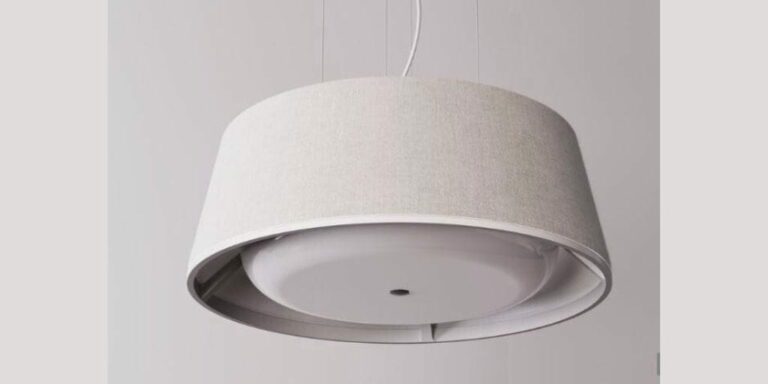
Nobi’s AI-enabled, ceiling-mounted smart lights detect falls in real time, alert staff within seconds and automatically illuminate when residents get out of bed, helping to prevent night-time falls. Staff also reported greater confidence when responding to unwitnessed incidents, less time spent reconstructing events and completing documentation, and fewer intrusive checks on residents.
“The Nobi light gives me peace of mind because Mum does fall a lot,” said the daughter of a resident at a participating Suffolk care home. “I felt guilty about her going into a home, but now I know staff are alerted instantly and can be there straight away.”
The evaluation formed part of the ICB’s Digitising Social Care Programme, which supports care providers to adopt digital solutions that improve safety and quality of care. Implementation was delivered in partnership with Porters Care, one of Nobi’s UK partners, with support from Suffolk County Council and participating care providers.
The report found that improved outcomes were driven by faster fall detection, clearer insight into incidents and more appropriate escalation decisions. Better visibility helped staff distinguish genuine falls from controlled descents, enabling more situations to be managed safely within the care home and reducing unnecessary ambulance call-outs.
Residents benefited from faster support when needed, while families reported increased trust in care quality and decision-making.
Roeland Pilgrims, CEO and Co-Founder of Nobi, said, “This independent NHS evaluation shows how intelligent care technology can deliver measurable improvements for residents, care teams and the wider health system. By giving staff timely, reliable insight, we can help reduce avoidable hospital admissions while improving safety, dignity and peace of mind.”
Using NHS reference costs, the evaluation estimates £89,000 in avoided emergency-care costs over six months, equating to a projected return on investment of approximately 196% over three years.
David Knowles, Managing Director of Porters Care, added, “These findings show the real-world impact of smart technology in care homes. By improving how falls are detected and understood, Nobi helps teams make clearer decisions and avoid unnecessary hospital admissions, while keeping residents safe.”
Further independent NHS-led evaluations are currently underway in other UK regions, contributing to a growing evidence base on the role of digital care technology in improving outcomes for residents and reducing pressure on health services.