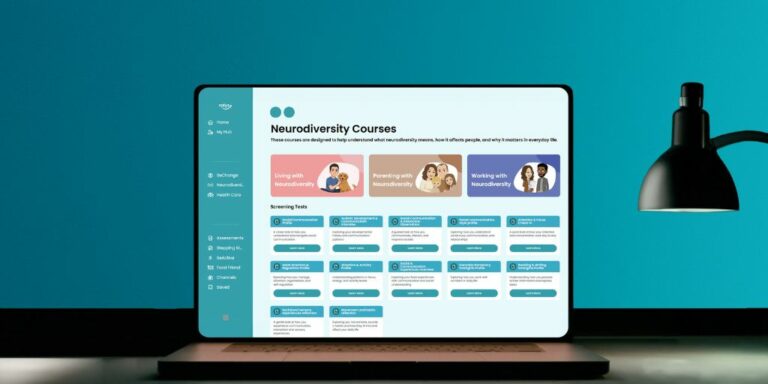
Digital health and wellbeing platform Raiys has unveiled a clinically-led neurodiversity solution to support people facing long waits for assessment and care, as well as their families and employers.
The solution aims to bridge gaps in overstretched services, where demand continues to rise and delays to diagnosis can stretch into months or even years.
It provides immediate, 24/7 access to clinically-informed content, digital screening tools and structured behavioural resources within a single platform.
A key feature is a suite of 12 digital neuro-screening tests that enable users to explore traits associated with ADHD, autism, dyslexia, dyspraxia, dyscalculia and Tourette’s, and consider whether their experiences may align with those conditions. The programme also includes lived-experience videos where neurodivergent people share their stories, and professional signposting to trusted diagnostic pathways.
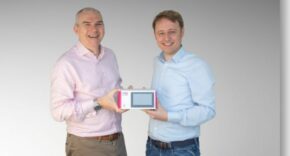
It has been developed by a team led by Dr Matt Wild, a consultant clinical psychologist and a member of the Raiys clinical health board, alongside Dr Laura Coia, a GP who is the platform’s medical director.
Dr Wild said the platform aims to identify needs earlier, improve engagement and provide continuous on-demand assistance alongside existing services, particularly for those navigating prolonged waits for assessment.
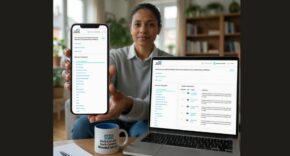
It is accessible via employers, healthcare providers and insurers, and is available across mobile, tablet and desktop, enabling organisations to offer round-the-clock support to users.
Dr Wild said: “Awareness of neurodiversity and demand for support are increasing, but access to tools to help people understand and manage neurodiversity is often lacking, especially during long waiting periods for assessment and support in the current fragmented system.
“This solution is designed to meet real, everyday needs and bridge those gaps with compassionate, practical, evidence-based tools and guidance.
“It builds on our existing BeChange programme, which supports behavioural change across areas such as mental health, diabetes and weight management. “Neurodiversity is deeply intertwined with overall wellbeing, and supporting people means nurturing every aspect of their health.”
He said the 12 digital screening tests are designed as self-reflection tools. “They are intended to build self-awareness and resilience and empower people, rather than serving as clinical diagnostic assessments or population-wide screening tools,” he added.
“They can be especially valuable during what can often be months or even years of waiting for formal diagnosis.”
Raiys’s programme also provides guidance and strategies for parents and carers. Dr Wild said: “Caring for a neurodivergent child, teenager or adult can be deeply rewarding, but also challenging.
“This solution provides reassurance and emotional support to help create nurturing home environments, manage stress and advocate effectively across health, education and social settings.”
Resources designed to help managers and colleagues better understand neurodiversity and build more inclusive environments also form a key element of the programme.
“Workplaces thrive when diverse thinking styles and approaches are recognised as strengths,” said Dr Wild.
“When there is understanding, flexibility and a supportive environment, neurodivergent employees don’t just participate – they flourish.
“This programme is designed to help employers create workplaces where neurodivergent people can fulfil their potential.”